

Safer Winter Walkway Ideas in Waterford
Winter in Waterford, CT doesn't mess around. Ice forms fast, daylight vanishes early, and what looked like a safe sidewalk at noon can turn into a liability by four o'clock. Most people assume the town will handle it — and they do, to a point. But waiting for someone else to act is how accidents happen. The reality is that safer walkways require a mix of infrastructure, preparation, and common sense. If you're walking it, maintaining it, or responsible for it, you've got skin in the game.
Winter in Waterford, CT doesn't mess around. Ice forms fast, daylight vanishes early, and what looked like a safe sidewalk at noon can turn into a liability by four o'clock. Most people assume the town will handle it — and they do, to a point. But waiting for someone else to act is how accidents happen. The reality is that safer walkways require a mix of infrastructure, preparation, and common sense. If you're walking it, maintaining it, or responsible for it, you've got skin in the game.
The good news? There are proven ways to cut down on slips, falls, and winter-related injuries without waiting for a town-wide overhaul. Some are quick fixes. Others take coordination. All of them work — if you actually commit to doing them right.
Gritting and Salting Schedules Need to Be Aggressive
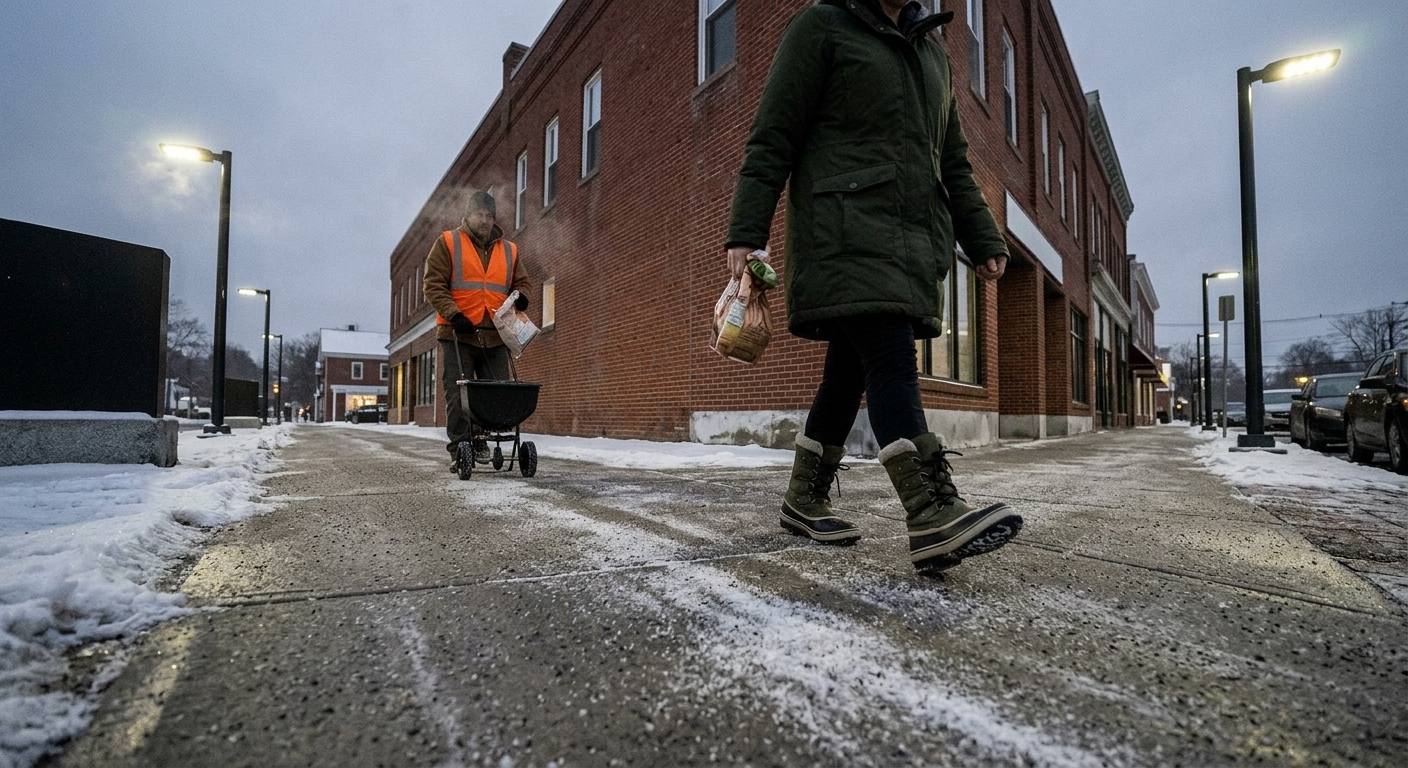
Throwing down salt once a week won't cut it. High-traffic zones like Main Street, town center sidewalks, and pathways near commercial areas need consistent attention throughout the season. That means early morning treatments before foot traffic picks up and follow-up applications when temperatures drop again in the evening.
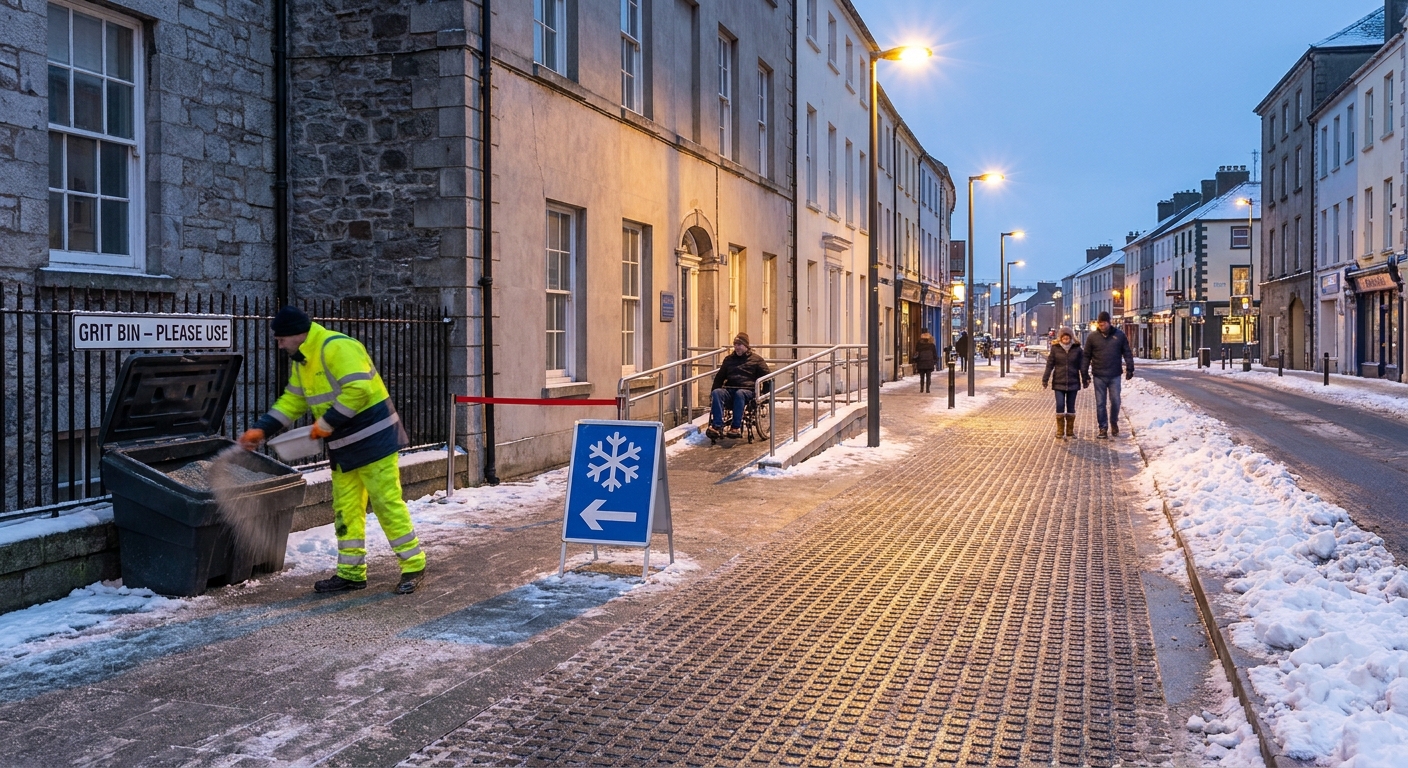
Property owners and businesses should handle the stretch in front of their doors. It's not just courtesy — it's liability management. If someone goes down on your section of pavement, you're the first person they're going to look at. Stock up on environmentally safe salt or sand that won't corrode surfaces or poison runoff. Keep a bin near the entrance and use it.
Lighting Matters More Than You Think
Short winter days mean people are commuting in the dark. If they can't see ice, they can't avoid it. Upgraded LED lighting along walkways provides brightness that actually helps, not the dim yellow glow that makes everything harder to distinguish.
Well-lit paths also reduce other risks. People are less likely to avoid an area that feels exposed and safe. Installing motion-activated lights in less-trafficked zones adds an extra layer without burning energy all night. The upfront cost pays for itself in fewer accidents and better usability across the board, much like properly designed front entryway installations that prioritize both safety and function.
Signage That Actually Warns People
Temporary hazard signs aren't decorations. They're there to redirect foot traffic before someone ends up in the emergency room. If a pathway is iced over or snow-covered, mark it clearly and offer an alternative route. Don't assume people will figure it out on their own.
Digital boards or simple A-frame signs at key entry points — town hall, shopping centers, transit stops — can provide real-time updates on conditions. These don't need to be elaborate. A simple status message showing which routes are clear and which aren't will keep people moving safely. Connecticut weather changes fast in winter, and so should your communication.
Surfaces Built for Traction
Smooth concrete or polished stone looks great until it's wet or icy. Then it's a skating rink. Upgrading high-risk zones with textured pavers, rubberized mats, or anti-slip coatings reduces falls without compromising appearance. Materials can be chosen that fit the character of Waterford while still offering grip.
These aren't band-aids. They're long-term investments that perform season after season. If budget is tight, prioritize slopes, steps, and intersections where momentum and gravity make falls more likely. You don't need to redo every foot of pavement — just the spots where people are most vulnerable, similar to how walkway design and installation projects focus on high-use areas first.
Organizing Local Removal Teams
The town can't be everywhere at once. Neighborhoods that organize their own snow and ice crews ensure residential streets don't get forgotten. Volunteer groups, local businesses, and even school programs can pitch in with shovels, scrapers, and salt supplies.
Incentivizing participation works. Offer recognition, sponsor equipment, or create friendly competitions between streets. The point isn't perfection — it's coverage. When everyone owns a piece of the responsibility, fewer areas get left behind.
Accessibility Can't Be an Afterthought
People using wheelchairs, pushing strollers, or relying on walkers face bigger challenges when ice and snow pile up. Curb cuts, ramps, and accessible pathways need to be cleared first, not last. Handrails along steep sections offer critical support and should be installed where they're missing.
Regular inspections catch problems before they escalate. Assign someone to walk priority routes weekly and document what needs attention. Accessibility isn't a nice-to-have. It's a baseline standard that every walkway should meet, winter or otherwise.
Public Campaigns That Stick
Most people don't know how to report a hazard or what footwear actually helps. Running clear, repeated messaging through local media, social platforms, and community boards fills that gap. Show people where to call, what to wear, and how to stay upright when conditions turn rough.
Flyers at town buildings, posters in shops, and short posts shared online reinforce the message. Keep it simple. Keep it visible. And don't assume everyone got the memo — repetition is what makes it sink in.
Footwear That Grips
No amount of salting helps if you're wearing slick-soled dress shoes or sneakers with no tread. Encouraging proper winter footwear — boots with deep treads, slip-on traction devices, rubberized soles — prevents injuries that infrastructure alone can't stop.
Local retailers can stock more winter-ready options and promote them heavily during the season. Discounts or bundled deals make it easier for people to invest in what works. It's a small push that leads to fewer falls and fewer insurance claims down the line.
Green Spaces Aren't Off the Hook
Parks and trails stay popular year-round, but winter maintenance often lags. Paths in town parks and along walking trails need the same attention as downtown sidewalks. Clear fallen leaves, trim back overhanging branches, and treat icy sections promptly.
Hidden ice under leaf cover is a recipe for disaster. Regular sweeps and inspections keep these areas safe and usable. If a section is too hazardous to maintain, close it temporarily and post clear notices. Don't leave it open and hope for the best, especially in areas where grading and drainage solutions can prevent water pooling and ice formation.
Business Owners Carry Weight
Storefronts along busy walkways aren't separate from the pedestrian network — they're part of it. Keeping the pavement outside your door clear protects customers and limits your exposure to liability. Sponsoring a salt bin, hosting a safety workshop, or partnering with the town on winter initiatives builds goodwill and strengthens the community.
Businesses that take this seriously see fewer incidents, better foot traffic, and stronger reputations. The ones that don't often learn the hard way when someone gets hurt and starts asking questions. Properties with professional driveway installations and proper drainage to prevent pooling handle winter conditions far better than those with aging, poorly maintained surfaces.
Walking Waterford Through Winter
Winter walkway safety isn't a one-time project. It's a sustained effort that combines infrastructure, cooperation, and awareness. The town can lead, but residents and businesses have to follow through. If the pavement's clear, the lights are bright, and people are paying attention, Waterford stays walkable no matter what the weather throws at it. That's not luck — it's preparation meeting consistency.
Let's Make Your Walkways Safer This Winter
We all want to keep Waterford moving safely, no matter how harsh the Connecticut winter gets. If you're ready to upgrade your walkways, improve lighting, or need expert advice on winter-proofing your property, let's work together to make it happen. Call us at 860-574-0238 or get a free estimate and see how we can help you create safer, more reliable paths this season.
This realistic photograph accurately represents the themes discussed in the article, showcasing active sidewalk maintenance in a winter town setting. The inclusion of the worker with a spreader aligns perfectly with the section on "Gritting and Salting Schedules," while the overall scene supports the general safety advice provided. As requested, the image contains no visible text and maintains a high level of photorealism.
The good news? There are proven ways to cut down on slips, falls, and winter-related injuries without waiting for a town-wide overhaul. Some are quick fixes. Others take coordination. All of them work — if you actually commit to doing them right.
‹ Back
Recent Posts
-
Safer Winter Walkway Ideas in Waterford
September 29, 2026
-
Popular Stamped Concrete Designs in Waterford
September 15, 2026
-
Can Retaining Walls in Waterford Prevent Yard Erosion?
September 1, 2026
-
Common Patio Layout Mistakes in Waterford
August 18, 2026
-
Is Your Driveway in Waterford Draining the Wrong Way?
August 4, 2026