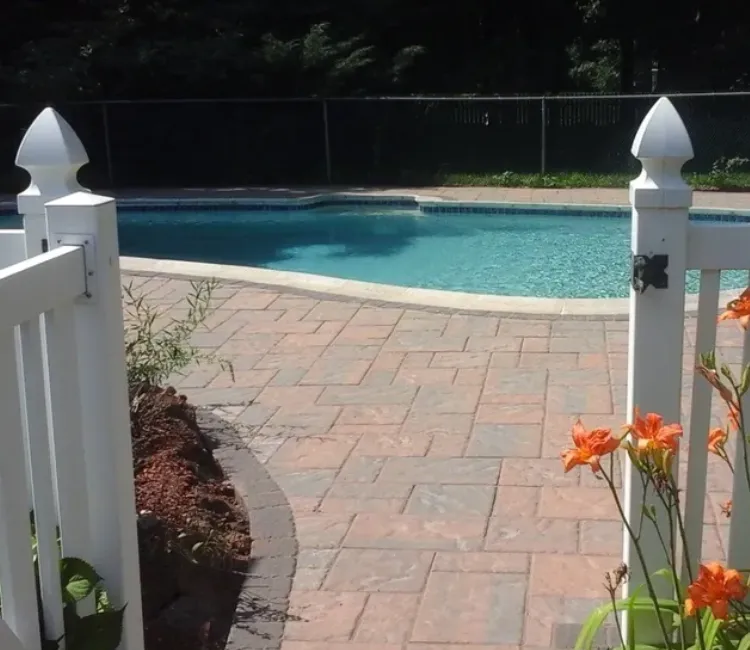
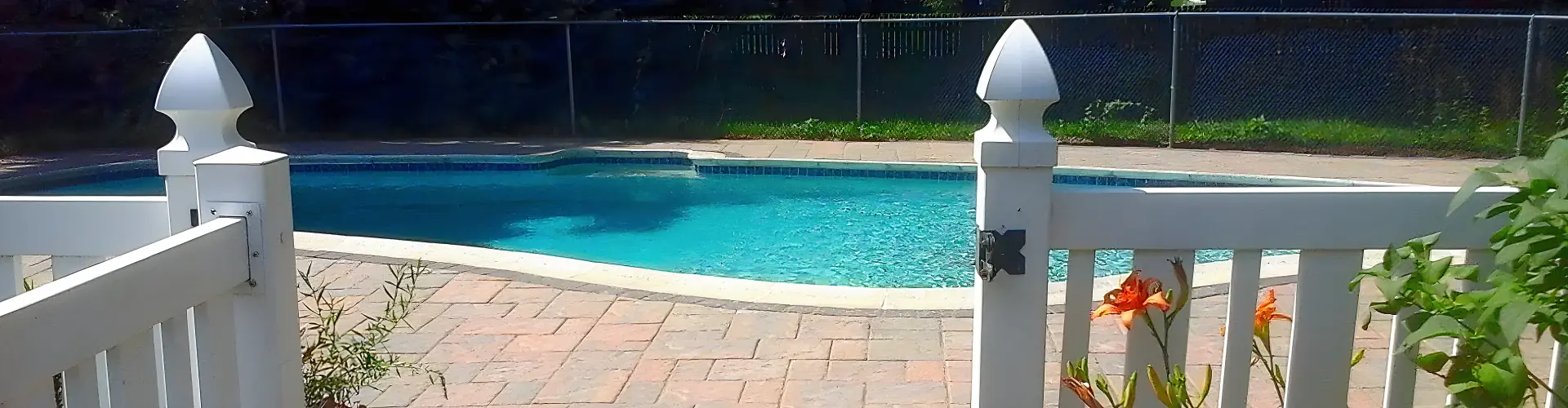
How to Plan a Paver Patio in Central Connecticut
Most homeowners think patio planning is just about picking pretty stones. Layout, materials, done. But the ground beneath Central Connecticut tells a different story — and if you ignore it, you're setting yourself up for cracks, shifts, and wasted money. Pavers may look solid on day one, but they live or die based on what you did before the first stone ever touched dirt. Especially when freeze-thaw cycles and clay soil are working against you.
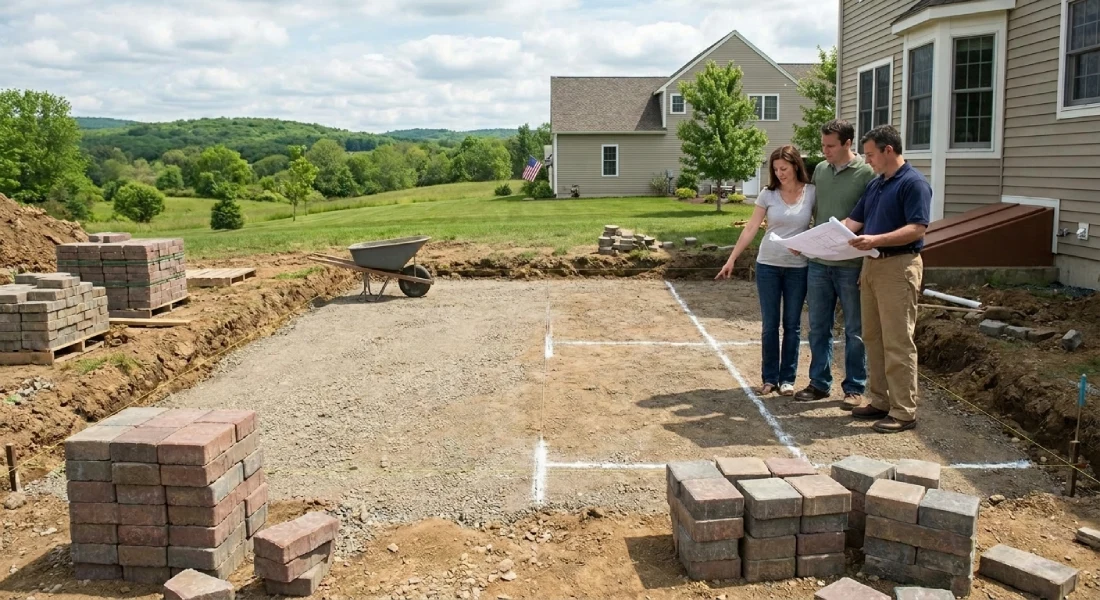
So here's the reality. If you're building something that lasts, preparation matters more than pattern. Every inch of base needs to be right. Every drainage decision needs backup. And every material choice should be grounded in how Connecticut weather behaves — not just how the samples looked at the showroom.
Your Yard Isn't a Blank Canvas
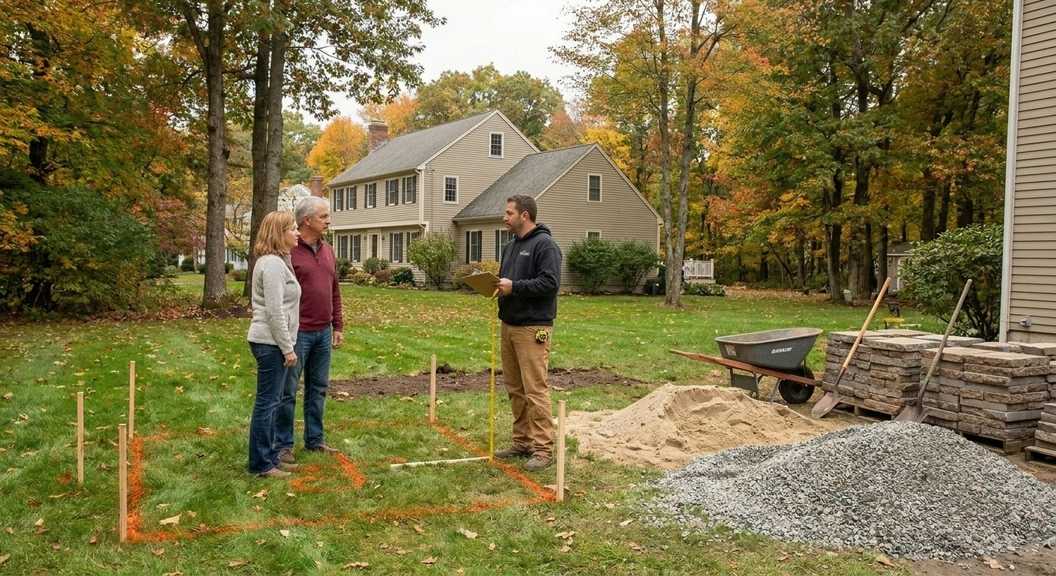
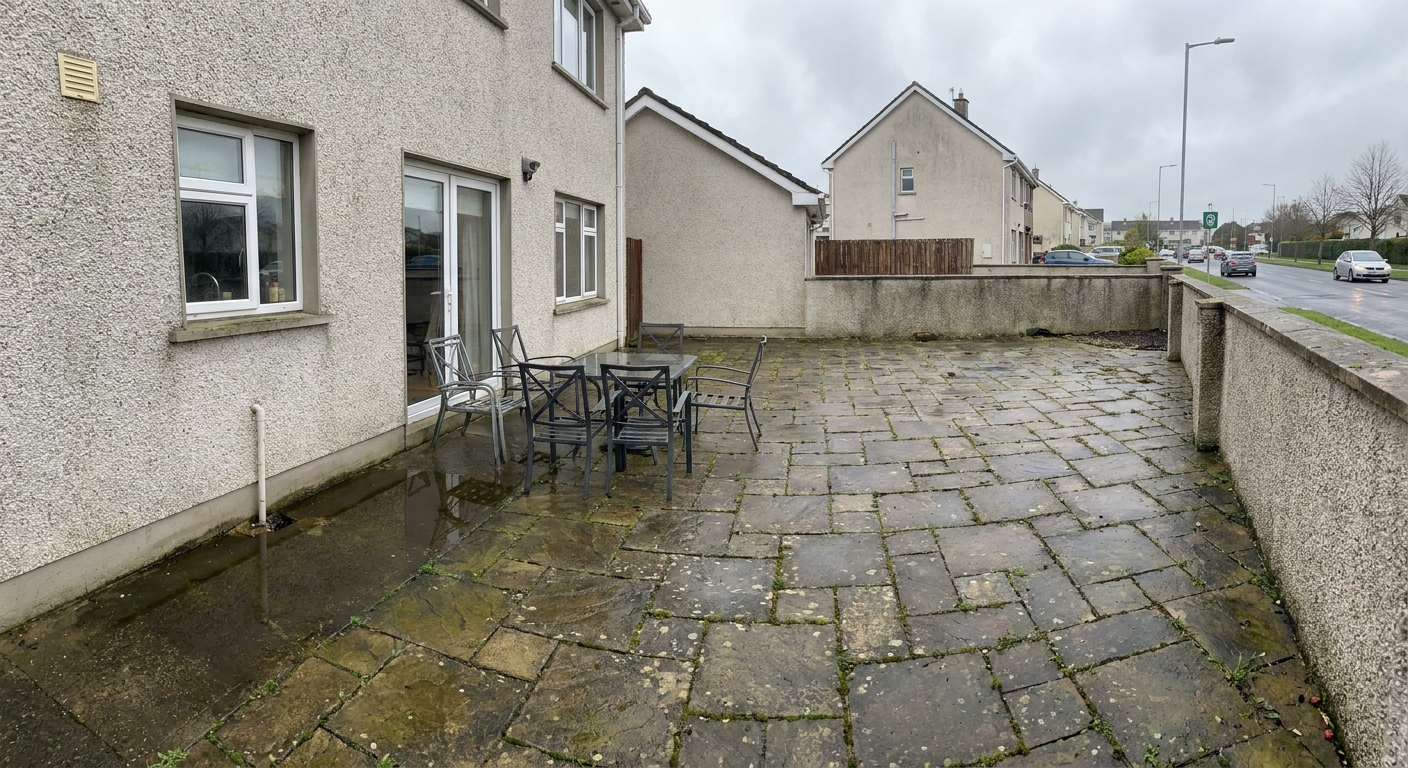
Central Connecticut soil doesn't play nice. Clay-heavy ground holds water, shifts with temperature swings, and settles unevenly if you don't account for it. Before you stake out dimensions or pick a paver style, walk your yard after a rainstorm. Notice where water pools. Check how close you are to the foundation. Look for tree roots that might interfere or create future heaving.
Your patio needs to fit the land, not fight it. Measure twice, dig once. And if your yard slopes toward the house, plan for grading adjustments before anything else. Ignoring drainage now means dealing with standing water and frost damage later.
Material Choices That Survive the Season
Not all pavers are built for New England winters. Concrete pavers rated for freeze-thaw resistance will outlast cheaper options that crack after one hard season. Brick offers classic appeal but needs proper sealing. Natural stone like bluestone handles the cold beautifully, though it costs more upfront.
Here's what to prioritize when selecting materials:
- Freeze-thaw rating that meets or exceeds regional standards
- Thickness of at least 2.375 inches for high-traffic areas
- Non-slip surface texture for wet conditions
- Color stability that won't fade under UV exposure
- Local supplier availability for future repairs or expansions
Drainage Isn't Optional
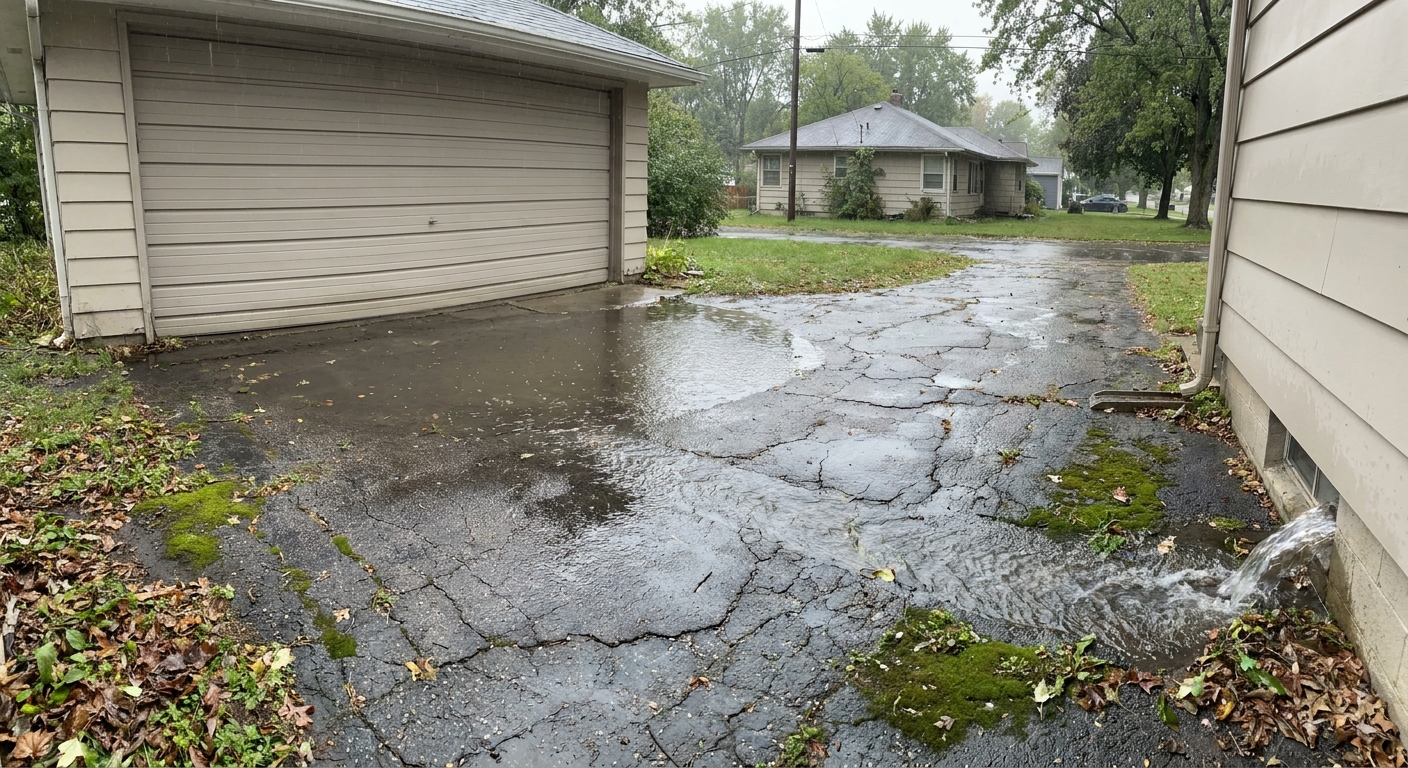
Water is your patio's biggest enemy. Central Connecticut gets rain, snow, and melt cycles that can turn a poorly drained patio into a sinking disaster. Your patio must slope away from the house at a minimum grade of two percent. That's roughly a quarter-inch drop per foot.
If your yard doesn't naturally drain well, you'll need more than slope. French drains, channel drains, or gravel trenches can redirect water before it undermines your base. Don't assume the pavers will handle it. They won't. And once the base erodes, no amount of releveling will fix the problem without tearing everything out.
Permits and Setbacks Matter More Than You Think
Some towns in Central Connecticut require permits for patios over a certain size or within specific distances from property lines. Others have stormwater management rules that dictate how much impervious surface you can add. Skipping this step doesn't just risk fines — it can mean ripping out finished work.
Call your local building department before you dig. Ask about setback requirements, lot coverage limits, and whether your project triggers a site plan review. If you're in a historic district or part of an HOA, expect additional layers of approval. It's tedious. It's necessary.
Base Prep Separates Amateurs from Pros
You can't fake a solid foundation. Excavate to a depth of seven to nine inches, depending on your soil type and paver thickness. Remove all organic material — roots, sod, topsoil. What's left should be compacted native soil or stable subgrade.
Here's the layering sequence that works in Connecticut conditions:
- Compacted subgrade with no soft spots or voids
- Four to six inches of crushed stone aggregate, compacted in lifts
- One inch of coarse sand for leveling, screeded flat
- Geotextile fabric between subgrade and stone if soil is unstable
- Edge restraints installed before pavers go down
Edge Restraints Keep Everything Locked In
Without edge restraints, your patio will creep. Pavers shift outward under foot traffic and freeze-thaw pressure. Plastic or aluminum edging anchored with spikes holds the perimeter in place and prevents the sand base from washing out.
Install restraints after the base is compacted but before you lay pavers. They should sit flush with the top of the pavers and be secured every twelve inches. Don't skip corners or curves — those are the first places movement starts.
Laying Pavers Is the Easy Part
Once your base is dialed in, laying pavers is straightforward. Start from a fixed reference point like the house or a straight edge. Work outward in your chosen pattern, keeping joints tight and consistent. Use a string line to maintain straight rows and check level frequently.
After all pavers are down, spread polymeric sand over the surface and sweep it into the joints. This sand hardens when wet and locks pavers together while resisting weed growth and insect infiltration. Compact the entire surface with a plate compactor, then mist with water to activate the sand.
Common Mistakes That Cost Time and Money
Rushing the base is the number one error. Homeowners skip compaction steps or use the wrong aggregate, then wonder why pavers settle unevenly within a year. Another frequent mistake is ignoring slope — a flat patio becomes a puddle magnet.
Here's what trips up most DIY projects:
- Insufficient excavation depth leading to frost heave
- Using mason sand instead of coarse bedding sand
- Laying pavers directly on soil or gravel without a sand layer
- Forgetting to compact between base layers
- Skipping edge restraints and expecting pavers to stay put
Timing Your Project Around Weather
Central Connecticut's construction window is shorter than you think. Spring mud season makes base prep nearly impossible. Summer heat is ideal for compaction and curing. Fall works if you finish before the ground freezes. Winter is off the table unless you enjoy working in frozen dirt.
Plan your project for late spring through early fall. Give yourself buffer time for weather delays and permit approvals. Rushing a patio install in October because you want it done before Thanksgiving is a recipe for shortcuts and regret.
Maintenance Keeps Your Investment Intact
A well-built patio doesn't need much, but it does need something. Sweep regularly to prevent debris buildup in joints. Reapply polymeric sand every few years as it wears down. Seal pavers if you want added stain resistance and color enhancement, though it's optional for most concrete and stone products.
Watch for settling or shifting, especially after the first winter. Minor adjustments are normal. Major movement means your base wasn't right. Address small issues before they become big ones.
When to Bring In a Contractor
If your yard has significant slope, poor drainage, or unstable soil, hiring a pro makes sense. Same goes for large patios, complex patterns, or projects that require retaining walls or extensive grading. A contractor brings equipment, experience, and insurance — all of which matter when things go sideways.
Get multiple quotes. Ask for references and photos of completed work in your area. Verify they're licensed and insured. And make sure they understand Connecticut soil conditions and building codes. A contractor from out of state might know pavers, but they won't know your ground.
Build It Right or Build It Twice
Planning a paver patio in Central Connecticut isn't about cutting corners or hoping for the best. It's about respecting the ground, the weather, and the process. Shortcuts show up fast here — usually by the second winter. But when you do the work right, you get an outdoor space that holds up, looks sharp, and doesn't need a redo in three years. Preparation isn't the glamorous part, but it's the part that matters most.
Ready to Transform Your Backyard?
Let’s make your patio project a success from the ground up. We know what it takes to build patios that last through Connecticut’s toughest seasons, and we’re here to help you every step of the way. Give us a call at 860-574-0238 or get a free estimate and let’s start planning your perfect outdoor space together.
‹ Back
Recent Posts
-

Safer Winter Walkway Ideas in Waterford
September 29, 2026
-
Popular Stamped Concrete Designs in Waterford
September 15, 2026
-
Can Retaining Walls in Waterford Prevent Yard Erosion?
September 1, 2026
-
Common Patio Layout Mistakes in Waterford
August 18, 2026
-
Is Your Driveway in Waterford Draining the Wrong Way?
August 4, 2026