Is Your Driveway in Eastern Connecticut Starting to Crack?
Eastern Connecticut driveways don't just age—they get beaten down. Freeze-thaw cycles, heavy loads, and poor drainage all leave their mark. Most homeowners notice the first hairline crack and shrug it off. That's a mistake. What starts as a surface issue can turn into a structural nightmare if water gets underneath and the base starts shifting.
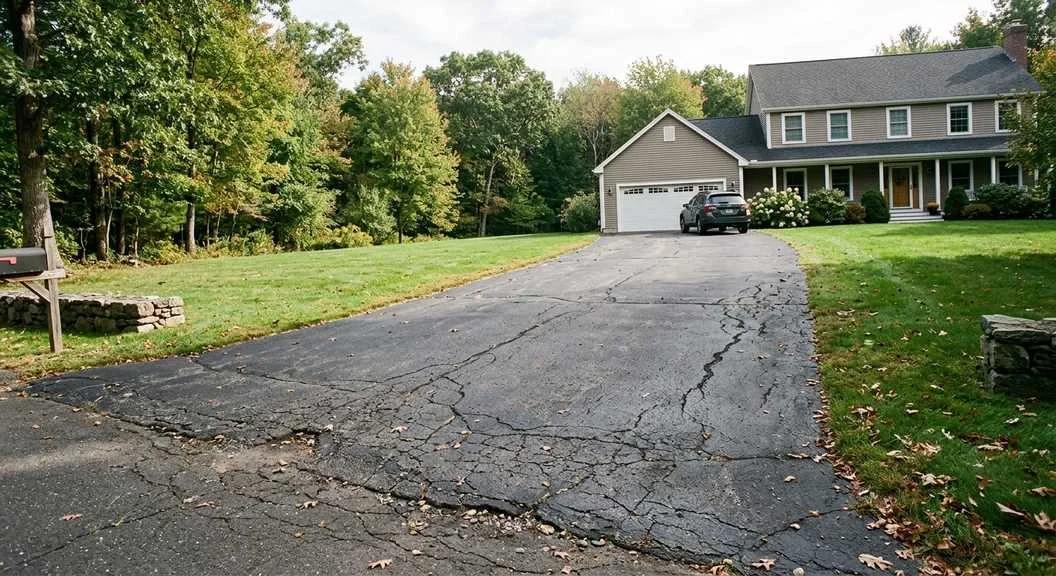
We're not talking about cosmetic flaws you can ignore. Cracks let moisture in, and moisture is what destroys driveways from the inside out. If you're seeing damage now, it's already been building for months. The question isn't whether you should fix it—it's how fast you can get ahead of it before the repair bill doubles.
The Freeze-Thaw Cycle Doesn't Take Breaks
Winter in this region is relentless. Water seeps into tiny cracks and pores in your driveway. When temperatures drop, that water freezes and expands. The pressure forces the crack wider. Then it thaws, more water gets in, and the cycle repeats. Every winter does more damage than the last.
This isn't a slow process. One season can turn a minor crack into a spiderweb of damage. And once the base layer gets compromised, you're not just patching surface cracks anymore—you're looking at a full replacement. The freeze-thaw cycle is the number one reason driveways fail in Connecticut, and it doesn't care how new your pavement is.
What's Actually Causing the Damage
Weather is the obvious culprit, but it's not the only one. Poor installation is a huge factor. If the base wasn't compacted properly or the mix was off, your driveway was doomed from day one. Tree roots can push up from below. Heavy trucks parked in the same spot create pressure points. Even the salt and chemicals you use to melt ice can eat away at the surface.
Here's what we see most often:
- Inadequate base preparation during installation
- Water pooling due to poor grading or drainage
- Repeated heavy vehicle traffic in concentrated areas
- Tree roots expanding underneath the slab
- De-icing chemicals breaking down the surface layer
Not All Cracks Mean the Same Thing
A hairline crack isn't the same as alligator cracking. The first might just need a quick fill. The second means your base is failing and you're in for a bigger fix. Knowing the difference helps you decide whether to grab a tube of filler or call a contractor.
Here's what you're looking at:
- Hairline cracks are thin and shallow—usually cosmetic but worth monitoring
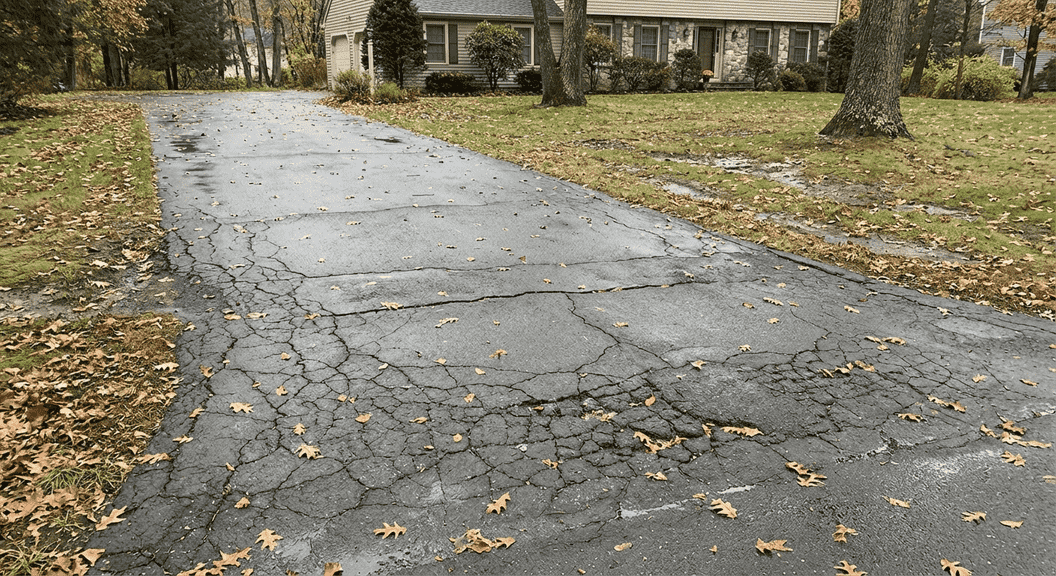
- Alligator cracks look like reptile skin and signal base failure
- Expansion cracks run straight and happen when temperature swings cause movement
- Edge cracks form along the sides from poor support or drainage issues
- Pothole formation means water has already eroded the base underneath
Ignoring It Only Makes It Worse
Small cracks don't stay small. Water gets in, the freeze-thaw cycle kicks in, and suddenly you've got chunks of asphalt breaking off. Potholes form. The surface becomes uneven. Your car takes a beating every time you pull in. And if you're thinking about selling? A busted driveway is one of the first things buyers notice.
We've seen driveways go from a few cracks to total failure in two winters. The repair cost jumps from a few hundred dollars to several thousand. And that's assuming the damage didn't spread to your foundation or garage floor. The longer you wait, the more expensive it gets.
How to Fix It Before It Gets Out of Hand
Hairline cracks can be handled with a quality filler from the hardware store. Clean out the crack, apply the product, and seal it up. For anything bigger—especially alligator cracking or edge damage—you need a professional. They'll assess whether you need resurfacing, patching, or a full replacement.
Don't try to DIY a structural issue. If the base is compromised, surface fixes won't hold. A contractor can tell you whether the foundation is still solid or if you're better off starting over. And if you're seeing multiple types of cracks in different areas, that's a red flag that the whole driveway is on borrowed time.
Stop the Next Round of Damage
You can't eliminate every risk, but you can cut down on the factors that accelerate cracking. Sealing your driveway every few years keeps water out. Fixing drainage issues prevents pooling. Avoiding heavy loads in the same spot reduces pressure points. And keeping tree roots in check stops them from pushing up through the pavement.
Here's what actually works:
- Apply a quality sealant every two to three years
- Regrade areas where water collects or drains poorly
- Rotate where you park heavy vehicles to distribute weight
- Install root barriers near trees close to the driveway
- Use sand instead of salt for winter traction when possible
Get Ahead of the Problem
Cracks in your Eastern Connecticut driveway aren't going to fix themselves. The longer you wait, the more damage accumulates and the higher the repair cost climbs. Whether you're dealing with a few hairline fractures or full-blown alligator cracking, the move is the same—address it now before the next freeze-thaw cycle makes it worse.
We've watched too many homeowners put off repairs until the driveway becomes a liability. Don't be one of them. Inspect your driveway after every winter, seal it regularly, and call in a pro the moment you see anything more than surface-level damage. The driveway you save might be your own.
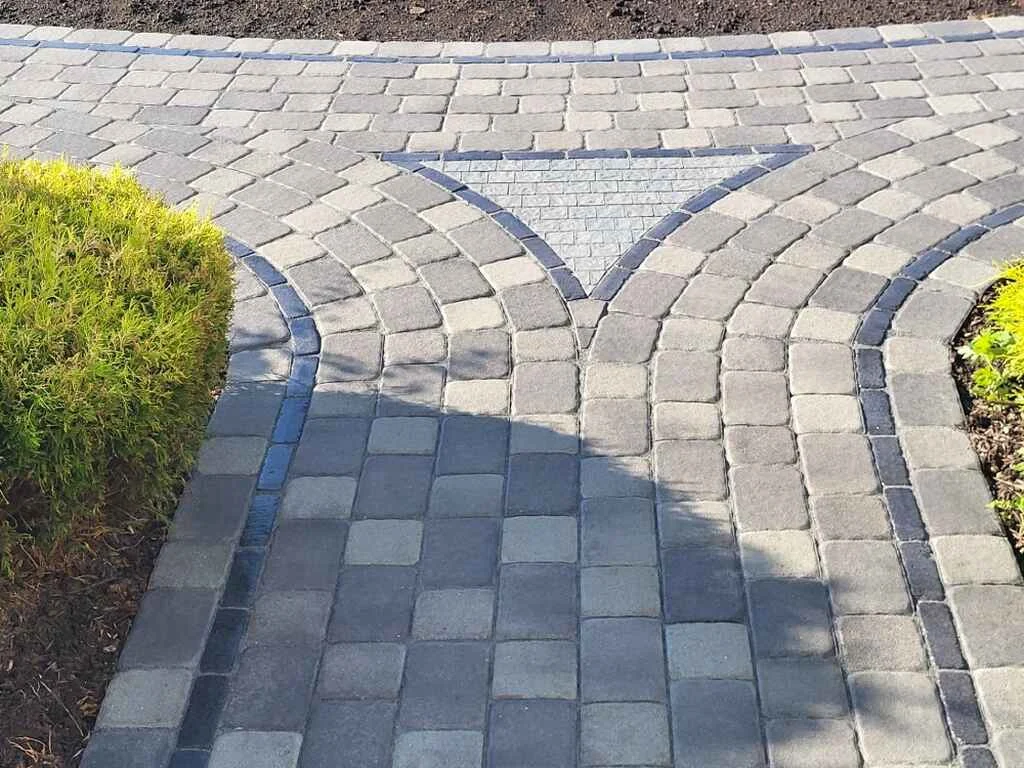
If you're dealing with water pooling in your yard, understanding when to replace vs repair your driveway is critical. For properties with slope challenges, explore landscape drainage solutions for sloped properties. Professional driveway design and installation ensures proper base preparation and longevity. If you're considering alternatives, learn about popular paver patterns for driveways. Ready to take action? Get a free estimate today.
Let’s Restore Your Driveway’s Strength
We know how quickly driveway cracks can go from a minor nuisance to a major headache in Eastern Connecticut. Let’s get ahead of the damage together and protect your investment before the next season hits. Give us a call at 860-574-0238 to talk through your options, or get a free estimate and see how we can help you keep your driveway looking its best.
‹ Back
Recent Posts
-
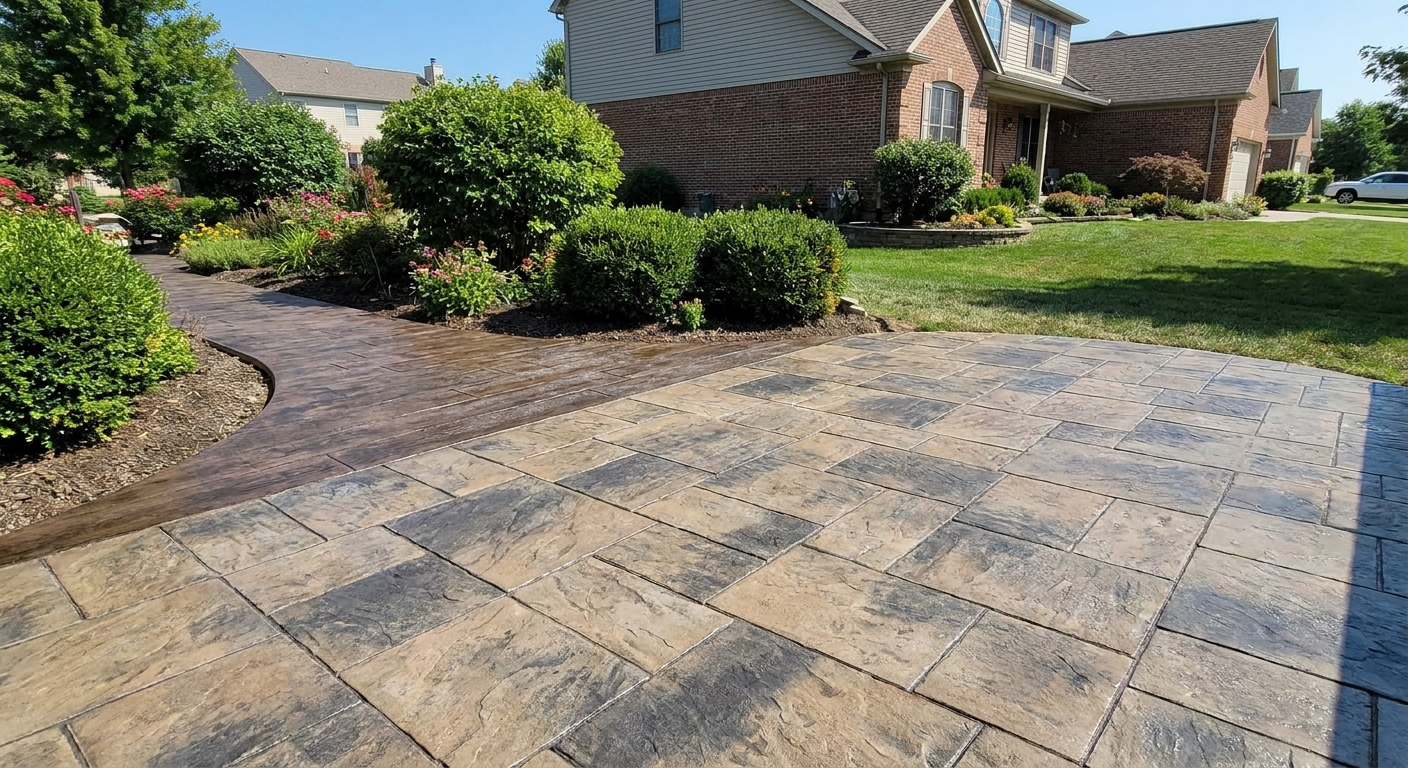
Popular Stamped Concrete Designs in Waterford
September 15, 2026
-
Can Retaining Walls in Waterford Prevent Yard Erosion?
September 1, 2026
-
Common Patio Layout Mistakes in Waterford
August 18, 2026
-
Is Your Driveway in Waterford Draining the Wrong Way?
August 4, 2026
-