Choosing Between Stamped Concrete & Pavers in Eastern Connecticut
Most homeowners think hardscaping is just about looks. Pick something pretty, lay it down, move on. But Eastern Connecticut weather doesn't care how good your patio looked in the catalog. Freeze-thaw cycles will test every seam, every joint, every square foot you install. And if you don't choose the right material upfront, you're not just risking cracks — you're asking for expensive do-overs.
So here's the reality. Stamped concrete and pavers both have their place. But they don't perform the same way, they don't cost the same, and they definitely don't age the same in our climate. Every decision should be grounded in how the material will hold up — not just how it photographs on day one.
What Stamped Concrete Actually Delivers
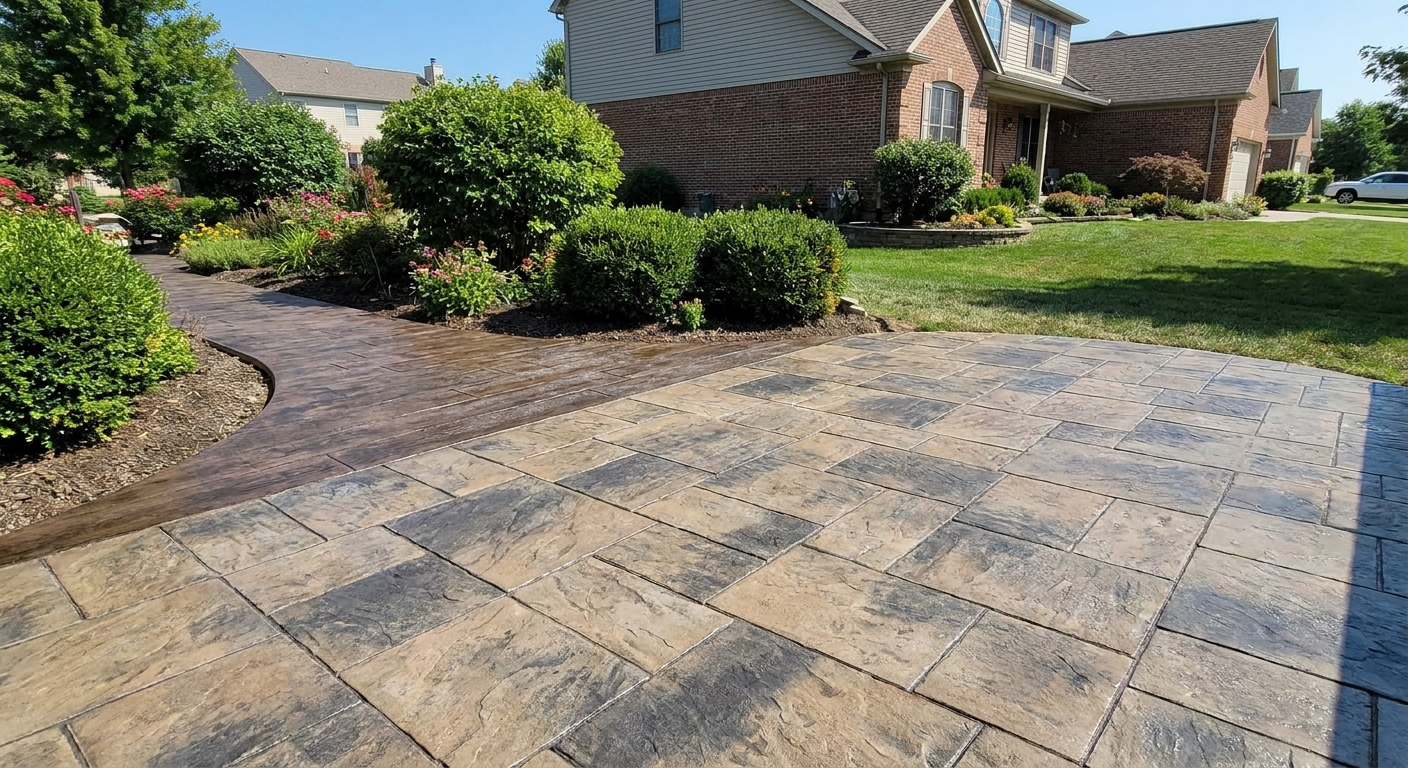
Stamped concrete gives you the look of stone or brick without the price tag. It's poured, stamped with a pattern, colored to match your vision, and sealed. The result is a continuous surface that mimics high-end materials at a fraction of the cost. For driveway design installation, patios, and walkways, it's a fast way to upgrade curb appeal without breaking the budget.
But speed and savings come with trade-offs. That seamless surface? It's also rigid. And rigid doesn't flex when the ground shifts or temperatures swing forty degrees in a weekend. If the base isn't perfect or the installer cuts corners, you'll see hairline cracks within a year or two. Some are cosmetic. Others let water in, and that's when the real damage starts.
- Lower upfront cost compared to individual pavers or natural stone
- Wide range of patterns and color options for custom designs
- Smooth, continuous surface with no joints for weeds to invade
- Faster installation timeline, which means less disruption and lower labor costs
- Easier to clean and maintain in the short term
Where Stamped Concrete Falls Short
Eastern Connecticut winters are brutal on concrete. Water seeps into tiny cracks, freezes, expands, and makes those cracks bigger. Do that enough times, and your stamped concrete patio starts looking like a jigsaw puzzle. Repairs are possible, but matching the original color and pattern is nearly impossible. You'll either live with the patch or redo the whole section.
Then there's the slip factor. Stamped concrete can get slick when wet, especially if it's sealed with a high-gloss finish. That's fine for a decorative walkway, but risky around pools or entryways. And if you skip the resealing every few years, the color fades and the surface degrades faster than you'd expect.
- Prone to cracking in freeze-thaw climates without proper installation
- Difficult to repair without visible mismatches in color or texture
- Can become slippery when wet, particularly with certain sealers
- Requires resealing every two to three years to maintain appearance
- Less forgiving if the ground settles or shifts over time
Why Pavers Handle Our Weather Better
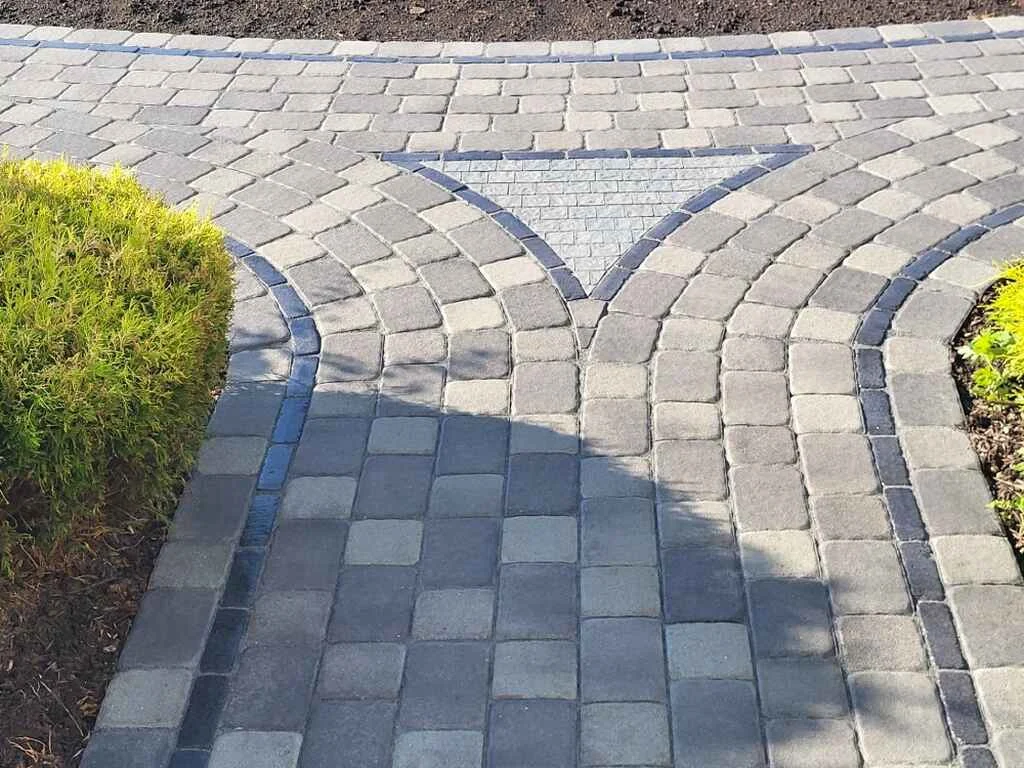
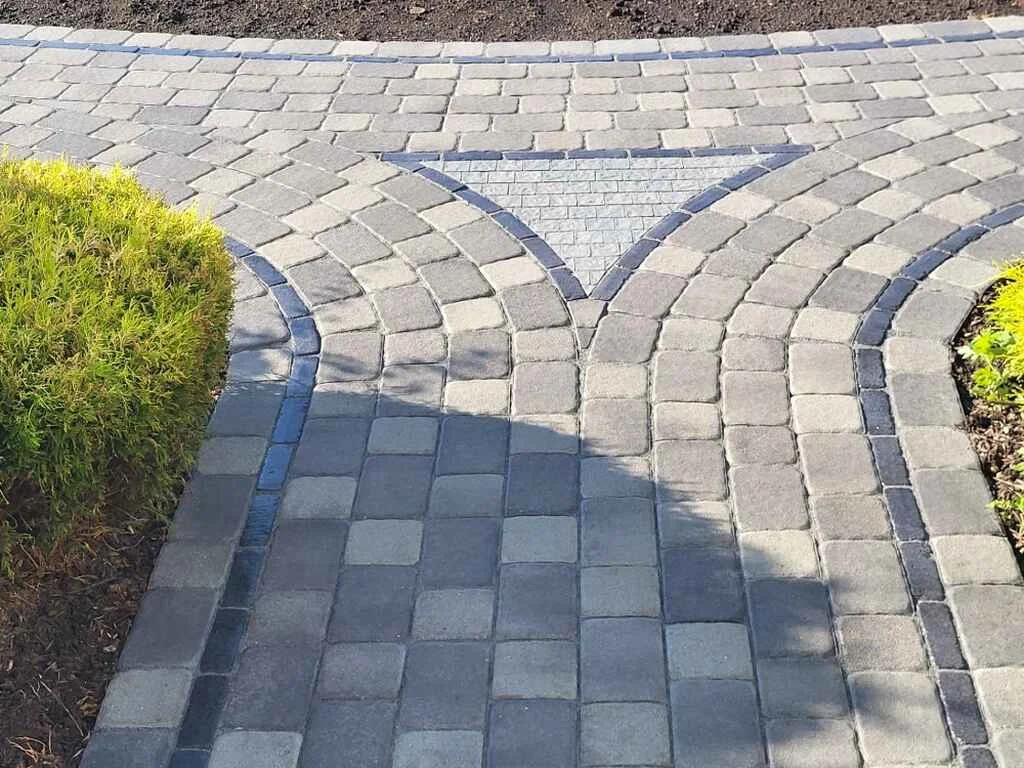
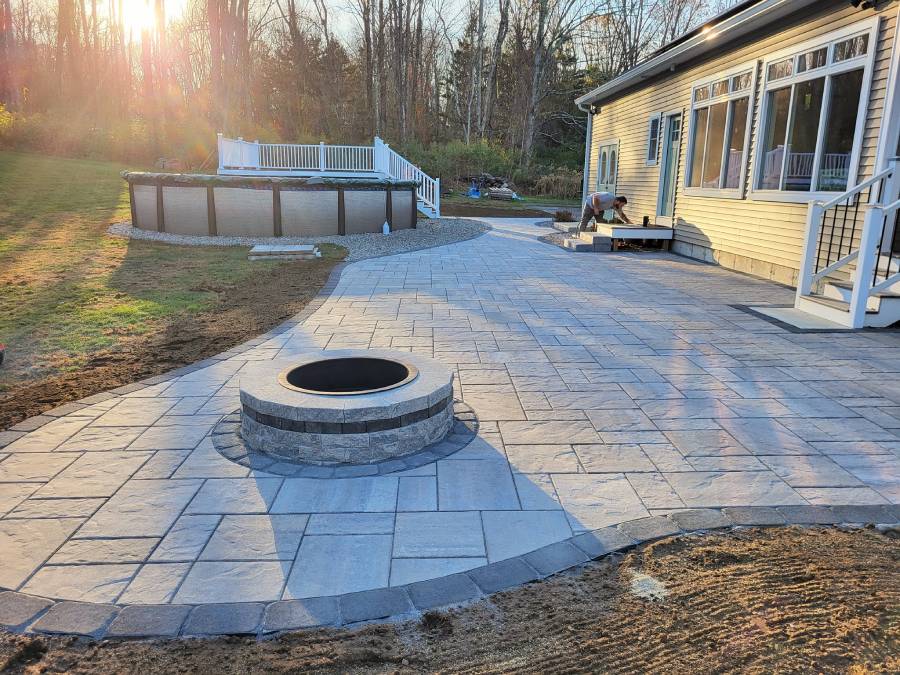
Pavers are individual units — concrete, brick, or stone — laid in patterns with sand-filled joints. That flexibility is their superpower. When the ground moves or temperatures drop, pavers can shift slightly without cracking. They're built to handle the kind of punishment Eastern Connecticut dishes out every winter.
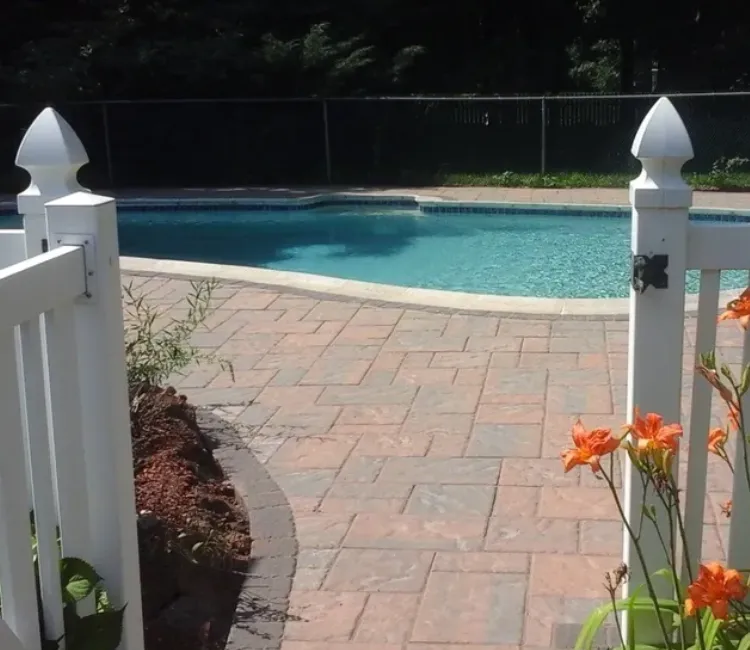
Repairs are straightforward too. One paver cracks or stains? Pull it out, drop in a new one, done. No need to tear up the entire patio or try to color-match a pour from five years ago. And because the joints provide natural drainage and traction, pavers are safer in wet conditions and less likely to pool water.
- Individual units flex with ground movement, reducing crack risk
- Damaged pavers can be replaced one at a time without major disruption
- Textured surfaces and joints offer better traction in wet or icy conditions
- Available in countless shapes, sizes, and colors for creative layouts
- Better drainage through joints, which helps prevent ice buildup
The Downsides You Need to Know
Pavers cost more upfront. Materials are pricier, and installation takes longer because every unit has to be placed by hand. If budget is tight, that difference can be a dealbreaker. And while pavers are durable, they're not maintenance-free. Weeds will find their way into the joints if you don't stay on top of it, and the sand between pavers needs occasional topping off.
Settling is another issue. If the base isn't compacted correctly, pavers can sink or shift over time, creating an uneven surface. That's usually a sign of poor installation, but it's something to watch for. Sealing helps prevent staining and keeps colors vibrant, but it's an added step — and an added cost.
- Higher upfront cost for both materials and labor
- Weeds and grass can grow between joints without regular maintenance
- Pavers may settle unevenly if the base preparation is inadequate
- Joint sand needs periodic replenishment to maintain stability
- Sealing is recommended but not always included in the initial install
Freeze-Thaw Cycles Don't Play Favorites
Eastern Connecticut sees cold winters, heavy snow, and rapid temperature swings. That's a recipe for material stress. Stamped concrete struggles because it's one solid slab — any weakness becomes a crack. Pavers handle it better because they're designed to move independently. But neither material is bulletproof. Proper installation, drainage, and base prep are non-negotiable if you want either option to last.
Ignoring climate realities is how homeowners end up with cracked patios and sunken walkways three years in. The material matters, but the installer matters more. A bad install will ruin pavers just as fast as it'll ruin stamped concrete.
Making the Call That Fits Your Property
If you want a budget-friendly option with a seamless look and you're willing to reseal every few years, stamped concrete can work. If you value durability, easy repairs, and better performance in harsh weather, pavers are the smarter long-term play. Neither choice is wrong — but one will fit your priorities, your budget, and your climate better than the other.
Talk to a local hardscaping pro who knows Eastern Connecticut. Ask about their base prep and drainage process, their warranty, and how they handle drainage. The right material installed the wrong way is still a bad investment. But the right material installed correctly? That's a hardscape that holds up for decades, not just seasons.
Ready to Transform Your Outdoor Space?
We know how important it is to choose the right hardscaping solution for your home and your lifestyle. Let’s work together to create a patio or walkway that stands up to Connecticut’s toughest weather and looks great for years to come. Give us a call at 860-574-0238 or get a free estimate and let’s start planning your next project today.
‹ Back
Recent Posts
-
Popular Stamped Concrete Designs in Waterford
September 15, 2026
-
Can Retaining Walls in Waterford Prevent Yard Erosion?
September 1, 2026
-
Common Patio Layout Mistakes in Waterford
August 18, 2026
-
Is Your Driveway in Waterford Draining the Wrong Way?
August 4, 2026
-